Food Journalism Training: Building Media Capacity for Food Justice Reporting
"Twenty-two journalists from across Bandung learned to investigate food systems with rigor and empathy, transforming how Indonesian media covers food security, urban agriculture, and food sovereignty."

Bandung, 2024 — In an era of headline-grabbing food scandals and oversimplified nutrition advice, a group of twenty journalists gathered to learn a different approach to food reporting—one rooted in systems thinking, investigative rigor, and social justice.
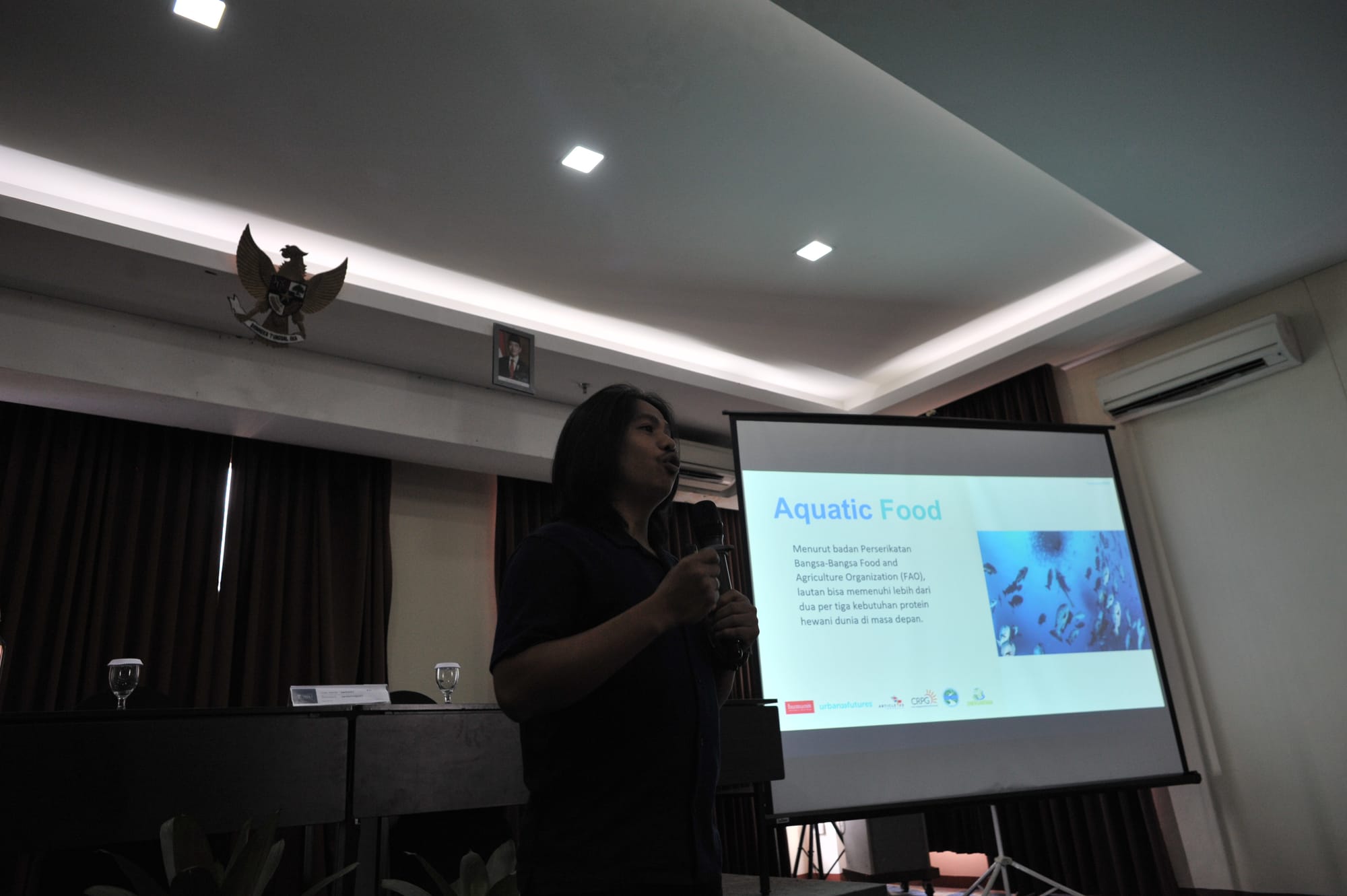
Journalists participate in hands-on training sessions covering food systems reporting
The Food Journalism Training, designed and delivered by CRPG for the PESPA Consortium, wasn't about writing restaurant reviews or recipe columns. It was about equipping journalists with the tools to investigate how food moves from field to fork, who profits at each stage, and who gets left behind.
Why Food Journalism Matters
Indonesian media coverage of food tends to fall into predictable patterns: agricultural production statistics, consumer price inflation, or food safety scares. What's missing is the connective tissue—the systems analysis that reveals why food insecurity persists amid plenty, why smallholder farmers remain poor while food corporations thrive, and how climate change is reshaping what Indonesians eat.
The training drew participants from print, online, and broadcast media. Some covered agricultural beats; others reported on health, environment, or urban development. What united them was a recognition that food systems stories cut across traditional beats and require interdisciplinary skills.
CRPG's curriculum, based on the World Resources Institute (WRI) model, brought their expertise in policy analysis and legal frameworks to food systems journalism.
Day 1: Understanding Food Systems
The training opened with a session on understanding food systems, facilitated by Ahmad Arif with Mulia Nurhasan as speaker. Participants were introduced to systems thinking and the iceberg model and practised analysing food problems with it. A second session, with speakers from Yayasan Odesa and Food Bank Bandung, covered the transformation of Bandung's food system from production and consumption to food waste.
Module 2: Food Systems Inclusion and FOLU
The second major theme addressed two interconnected issues: inclusion in food systems and FOLU (Forestry and Land Use) impacts.
The inclusion session examined how marginalized groups—persons with disabilities, indigenous communities, women-headed households—experience food insecurity differently. Journalists learned to move beyond statistics to tell stories centering lived experience.
Role-playing exercises had journalists practice interviewing techniques that build trust with vulnerable sources. How do you ask a person with a disability about food access without reinforcing stereotypes? How do you report on indigenous foodways without exoticizing them? These questions pushed journalists to examine their own biases.
Day 2: Intersectionality, In-Depth and Narrative Reporting
On the second day, Ahmad Arif introduced the intersectionality approach and solutions journalism, and led sessions on in-depth and data reporting (with Mulia Nurhasan) and on narrative writing. In each session participants practised drafting coverage plans on their own topics.
"Good food journalism asks hard questions even about initiatives we want to support," a trainer emphasized. "Rigor doesn't mean cynicism—it means ensuring solutions actually work for the communities that need them most."
The WRI Model: Three Days of Intensive Learning
The training followed the World Resources Institute (WRI) model, which structures food systems education around three dimensions: environmental sustainability, social equity, and economic viability. Each session integrated all three, preventing the reductionism that plagues food coverage.
Day 1 focused on foundational concepts: systems thinking, the food system framework and the iceberg model, followed by the problems of Bandung's food system from production and consumption to food waste.
Day 2 turned to reporting approaches: intersectionality and solutions journalism, in-depth and data reporting, and narrative writing.
Day 3 centred on data-based in-depth reporting. Speakers Abdus Somad and Azizah Hapsari showed participants how to gather data and dig for information using open-source intelligence (OSINT), followed by hands-on practice.
Building a Network, Not Just Skills
Beyond technical skills, the training created a professional network. Journalists exchanged contacts, shared sources, and discussed potential collaborations. Several proposed a food systems journalism collective to pool resources for investigations requiring significant time and expertise.
The network effect extends beyond participants. CRPG connected journalists with academic researchers, NGO experts, and community organizers who can serve as sources and fact-checkers. This infrastructure supports ongoing food systems reporting even after the training ends.
Impact: Stories That Followed
The training plan provided coverage grants of Rp2,500,000 each for ten selected participants to produce in-depth food system stories. In the outcome survey, one participant reported writing articles on nutrition.
These stories demonstrate what food journalism can achieve when reporters have systems-level understanding and investigative tools. They move beyond event-driven coverage to examine root causes and hold power accountable.
Challenges and Next Steps
Participants identified ongoing challenges: editors who don't prioritize food systems stories, tight deadlines that preclude deep investigation, and lack of data transparency from government and corporations.
Several noted that food systems reporting doesn't fit neatly into existing beats or formats. Should a story about food waste go in the environment section, business, or local news? The ambiguity can be a barrier to publication.
CRPG, through the PESPA Consortium, is working with media outlets to create dedicated food systems coverage slots and developing support mechanisms to fund time-intensive investigations that newsrooms can't otherwise support.
A New Generation of Food Systems Journalists
The twenty journalists who completed this training represent a growing cohort in Indonesia committed to covering food with the seriousness it deserves. They understand that food stories are climate stories, health stories, inequality stories, and political economy stories all at once.
"Before this training, I thought food reporting meant interviewing the agriculture minister about rice prices," one participant reflected. "Now I see food systems everywhere—in land use policies, labor laws, trade agreements, urban planning. The beat is endless."
As Indonesian media grapples with how to cover intersecting crises—climate change, inequality, public health—food systems journalism offers a framework. It's not a separate beat but a lens for understanding how power, resources, and vulnerability intersect at the most basic level: what people eat.
The Food Journalism Training equipped twenty journalists with that lens. The stories they tell in the years ahead will shape public understanding, influence policy debates, and amplify the voices of communities fighting for food sovereignty.
In a media landscape often dominated by superficial coverage, that depth matters.
The Food Journalism Training was designed and delivered by CRPG for the PESPA Consortium (led by Article33, funded by Yayasan Humanis dan Inovasi Sosial through the Urban Futures program). Training materials are based on the World Resources Institute (WRI) methodology for food systems education.
Correction (27 September 2026): this post was checked against the primary sources and corrected. What changed: The ToR provides for 20 selected journalists; the attendance form has 20 responses; No Ibu Sari in the training agenda (speakers: Ahmad Arif, Mulia Nurhasan, Yayasan Odesa, Food Bank Bandung, Abdus Somad, Azizah Hapsari); quote has no source; Day 1 opened with Understanding Food Systems and Sustainable Food System Transformation; The training opened with Understanding Food Systems (facilitator Ahmad Arif, speaker Mulia Nurhasan), using systems thinking and the iceberg model; Not in the agenda; in-depth and data reporting sessions covered in-depth journalism, data visualisation and OSINT; No such module was held; the anecdote has no source; No FOLU session in the agenda; No such module; Day 2 covered intersectionality, in-depth and data reporting, and narrative writing; Maggot practice appears only in the reference WRI model materials, not in this training agenda; No field visit; sessions were held at Hotel Grand Tebu, Bandung. Also: 10 further corrections of the same kind. Report errors to contact@crpg.id.