Making invisible water users visible: CRPG at the Rome Water Dialogue 2026
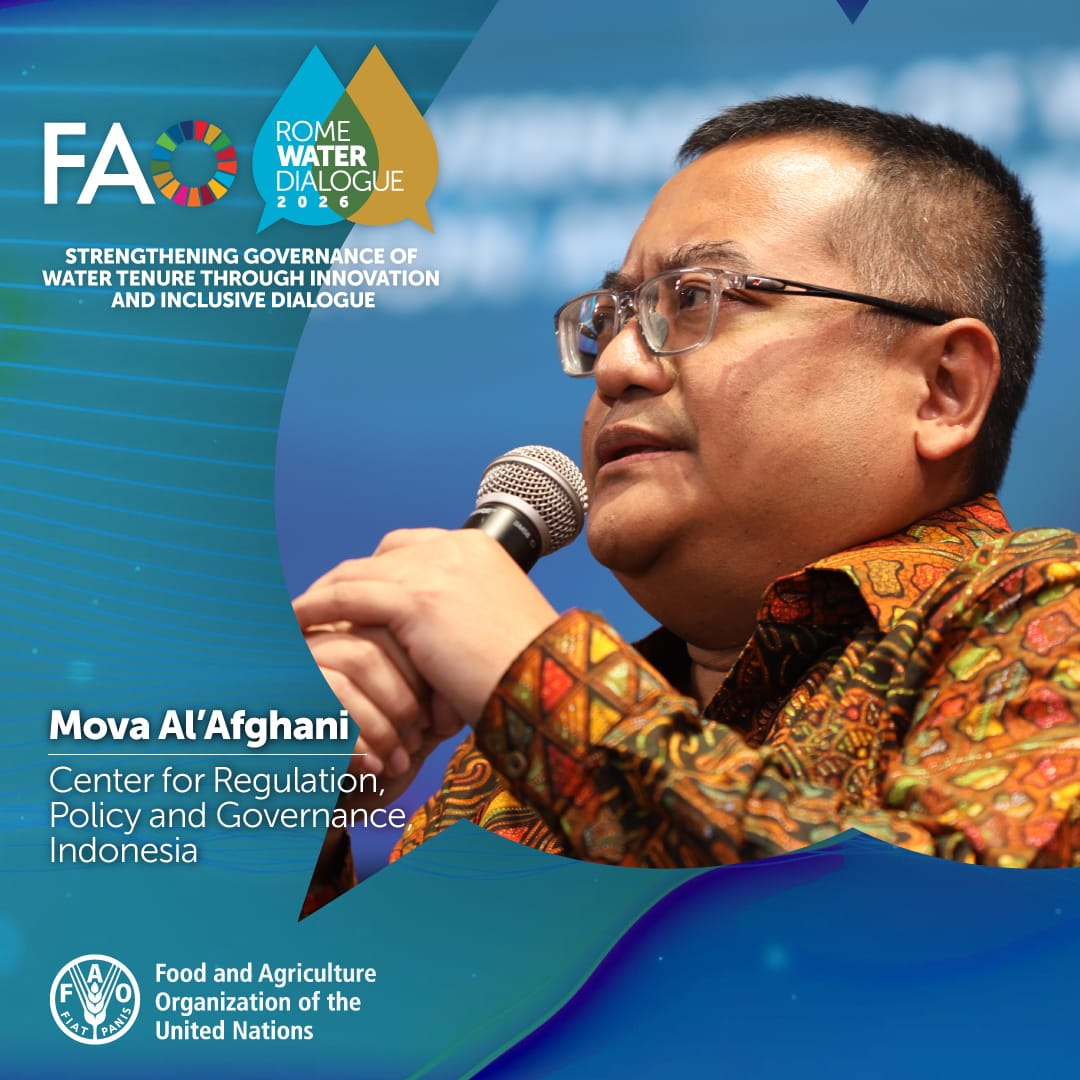
At FAO headquarters in Rome, CRPG Director Mova Al'Afghani drew on water tenure assessments in Indonesia to show why reform starts with the water users the formal system does not see.

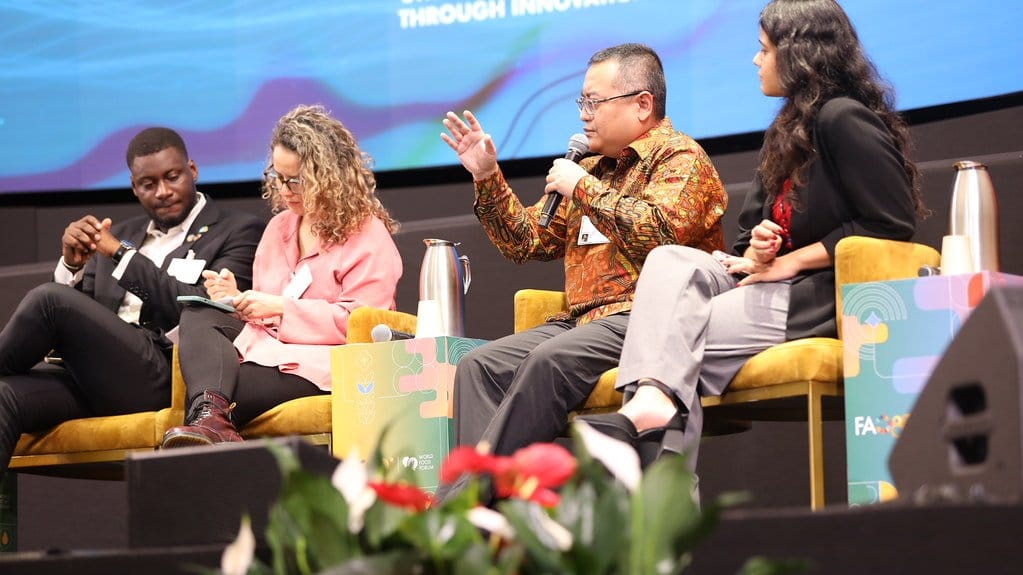
Rome, 12 October 2026. A water permit records who is allowed to take water. It says little about the farmers, households and communities who rely on the same source without one. That gap ran through the contribution of CRPG Director Mova Al'Afghani, PhD, to the first technical session of the FAO Rome Water Dialogue 2026 at FAO headquarters on Monday morning.
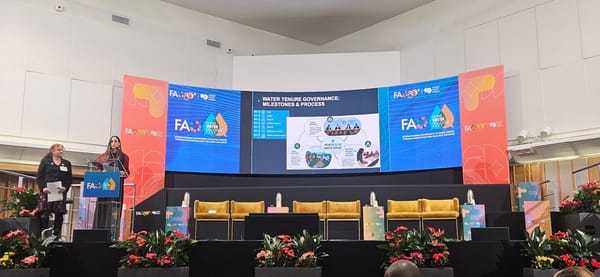
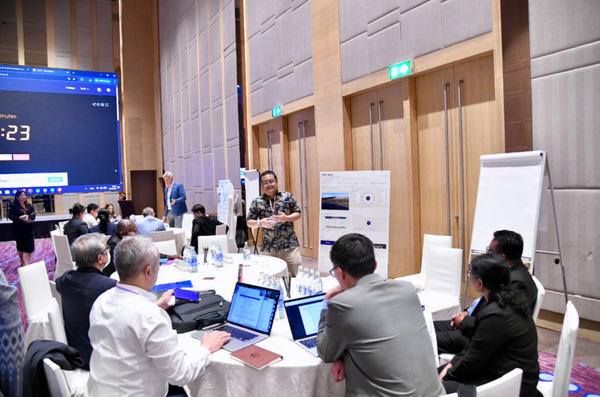
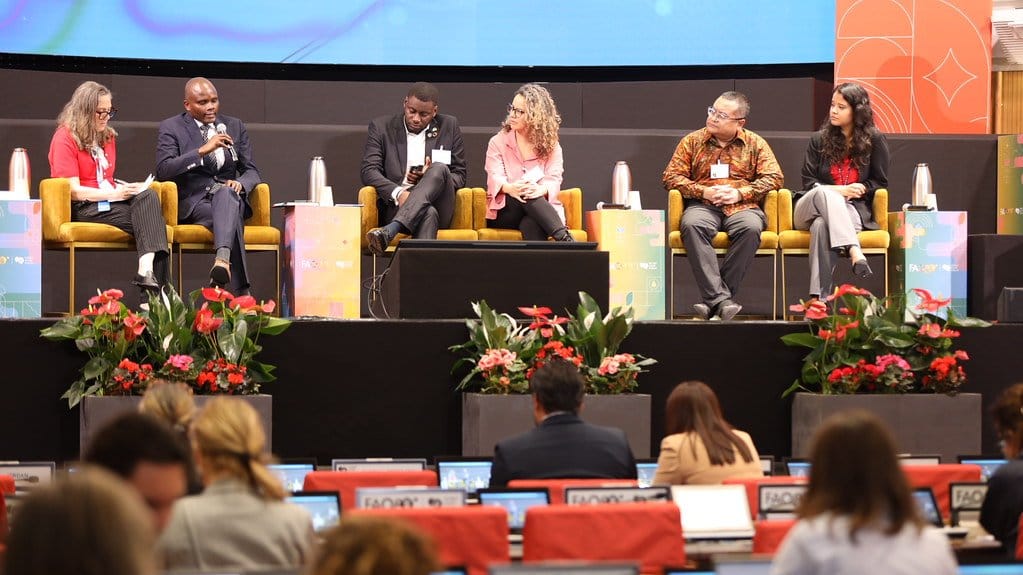
The session, Strengthening governance of water tenure through innovation and inclusive dialogue, was organised by FAO's Land and Water Division. It presented the draft Principles for the Responsible Governance of Water Tenure, shaped over the past year by a global dialogue with governments, rights holders, civil society, academia and youth (see our report on the session). Al'Afghani spoke on the panel as a member of the FAO Water Tenure Expert Group who has done several water tenure assessments in Indonesia. Alongside him were Daniel Mwendah M'Mailutha, President of the World Farmers' Organisation; Lamine Samaké, Land and Water Tenure Expert at FAO Senegal; Beth Sua Carvajal Martinez of WWF Colombia's Water Governance Programme; and Tania Sharma, Land Data Specialist at FAO. Maria Alejandra Chaux Echeverri, Senior Natural Resources Specialist at FAO Colombia, moderated.
Seeing the users the system does not see
Chaux Echeverri asked how a water tenure assessment can strengthen water governance, and what one concrete finding from Indonesia means for reform. Al'Afghani said the method's main contribution is analytical. Water tenure assessments, he said, "allow us to see users that are usually unseen." He gave three examples.
The first comes from the peatlands of Kalimantan, which, he noted, were suffering from haze from forest fires at the time. Customary tenure there is closely bound up with land and forest, including protected forest. Making these arrangements visible in the formal system, he argued, would allow peatland water to be managed much better.
The second concerns community-based water supply. Many communities run their own supply under customary arrangements, but the state does not clearly recognise that use. Recognition by government would give these communities greater tenure security.
The third is the multiple-use system. Household wells often depend on irrigation canals: when the canals are closed, the wells dry up. This has heavy gender implications, he noted, because it is mostly women who must then find water for the household.
Two pathways for reform
On reform, Al'Afghani pointed to two areas. The first is legislative. Indonesia is drafting a new law on drinking water and sanitation, a process that CRPG supports. One proposal under discussion would give community-based water supply more recognition. Community providers are now treated as informal entities because they cannot obtain a licence. The aim is to simplify the licensing route so that they can.
The second concerns irrigation. Farmers speak of a "water mafia": people who, usually during drought, direct the flow of water to those who are not entitled to it. Al'Afghani said farmers need a complaint mechanism they can actually use, and that there must be more accountability over how the irrigation gates are opened and closed.
Recognition first
In a closing round, each panellist named one of the draft principles to highlight to governments. Al'Afghani chose recognition and protection. Indonesia, he said, has "1,700 different ethnic groups which speak 700 different languages" (the 2010 census recorded some 1,340 ethnic groups), and with them "a wealth of different customary water tenure" arrangements.
For CRPG, recognition is where tenure security begins: an arrangement that the law does not see cannot be protected, and its users cannot complain when their water is taken.
What comes next
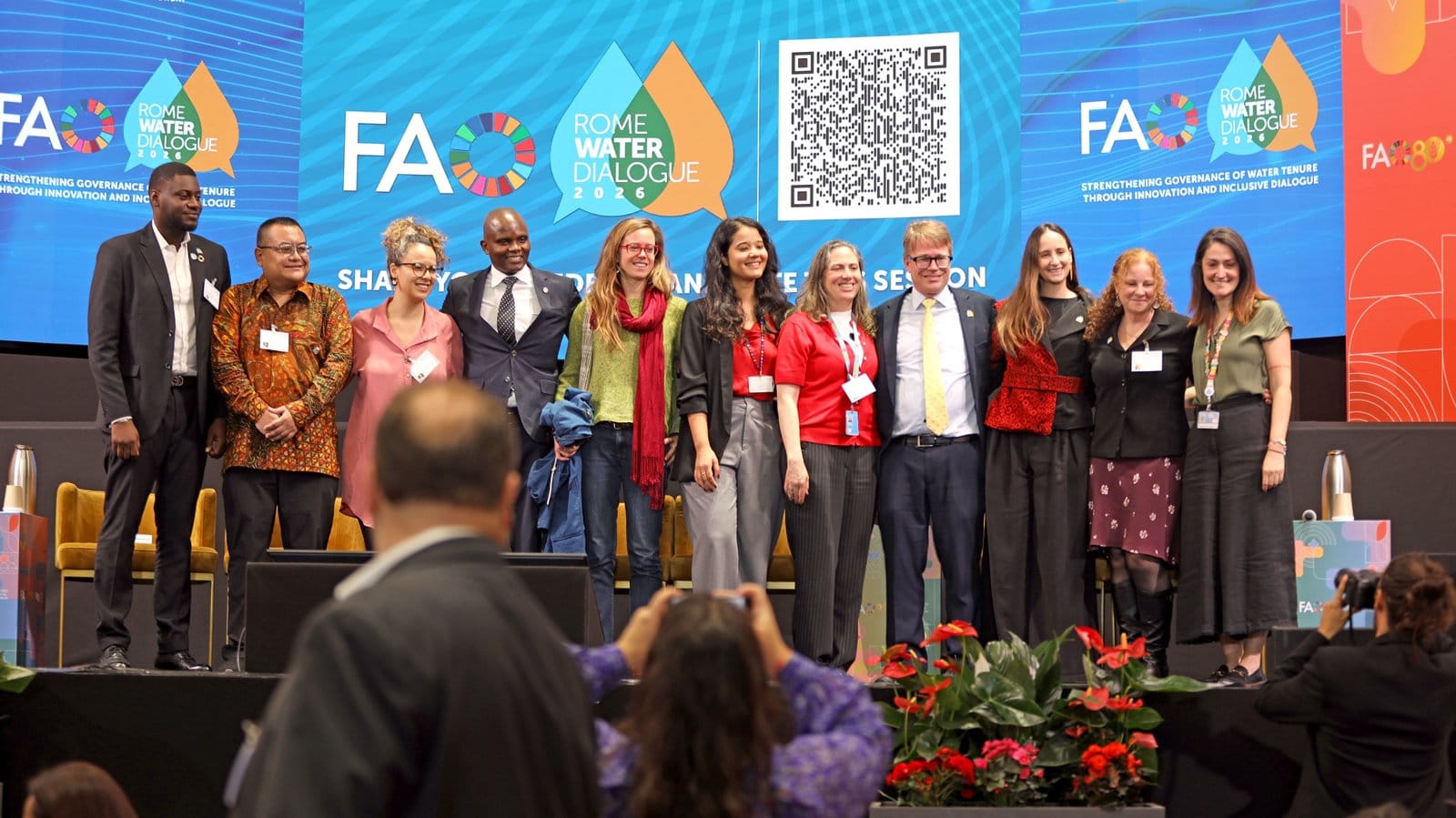
FAO has carried out water tenure assessments in Colombia, Senegal, Rwanda, Sri Lanka, Thailand, Cambodia, Viet Nam and Indonesia. The draft principles move next to the high-level session of the Global Dialogue on Water Tenure on Wednesday, 14 October, at FAO headquarters. Programme, recordings and photos are on the Rome Water Dialogue 2026 event page.
CRPG will keep bringing these findings into Indonesian law reform, starting with the drinking water and sanitation bill. For earlier CRPG analysis, read A permit is not consent: Why water tenure is now a legal exposure.
Correction, 15 October 2026: This article previously said that Al'Afghani cited "more than 1,300 ethnic groups speaking more than 700 languages", and that forest fires "have long been a problem" in Kalimantan. The UN transcript of the session has him citing 1,700 ethnic groups, which we now quote alongside the census figure, and referring to haze from forest fires at the time he spoke. Both passages have been corrected.