'Scale up, scale up, and scale up': Retno Marsudi and UN DESA chart the road from Rome to the UN Water Conference
The UN Special Envoy on Water warned that business as usual will not cut it, while UN DESA's Li Junhua said the Rome Water Dialogue will directly inform the agenda of the UN Water Conference in Abu Dhabi.

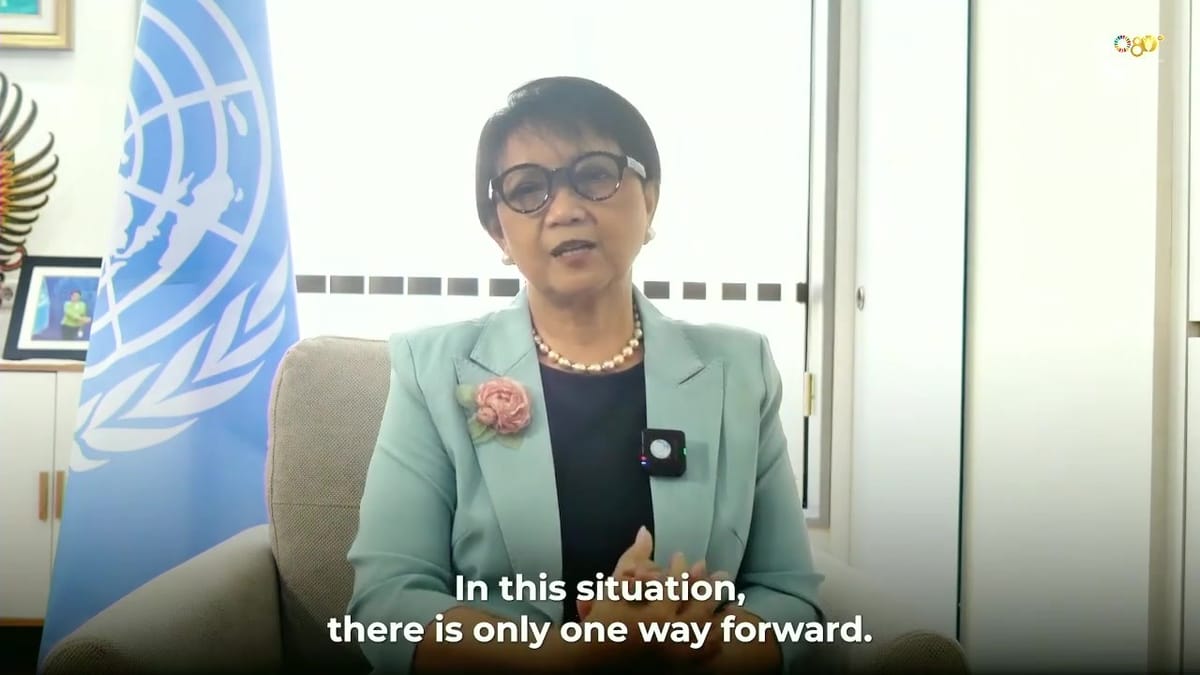
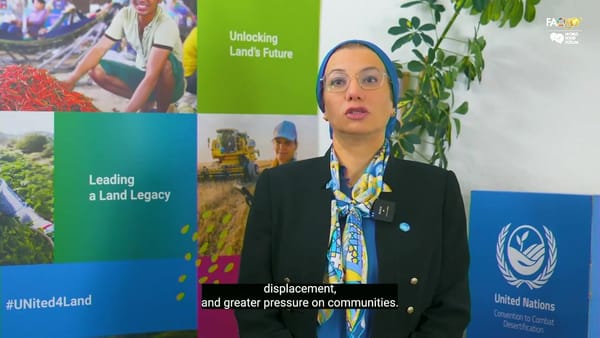
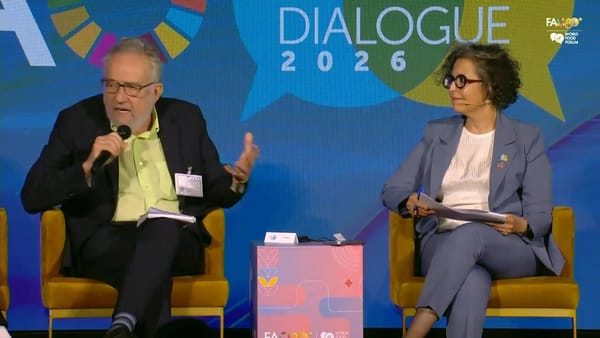
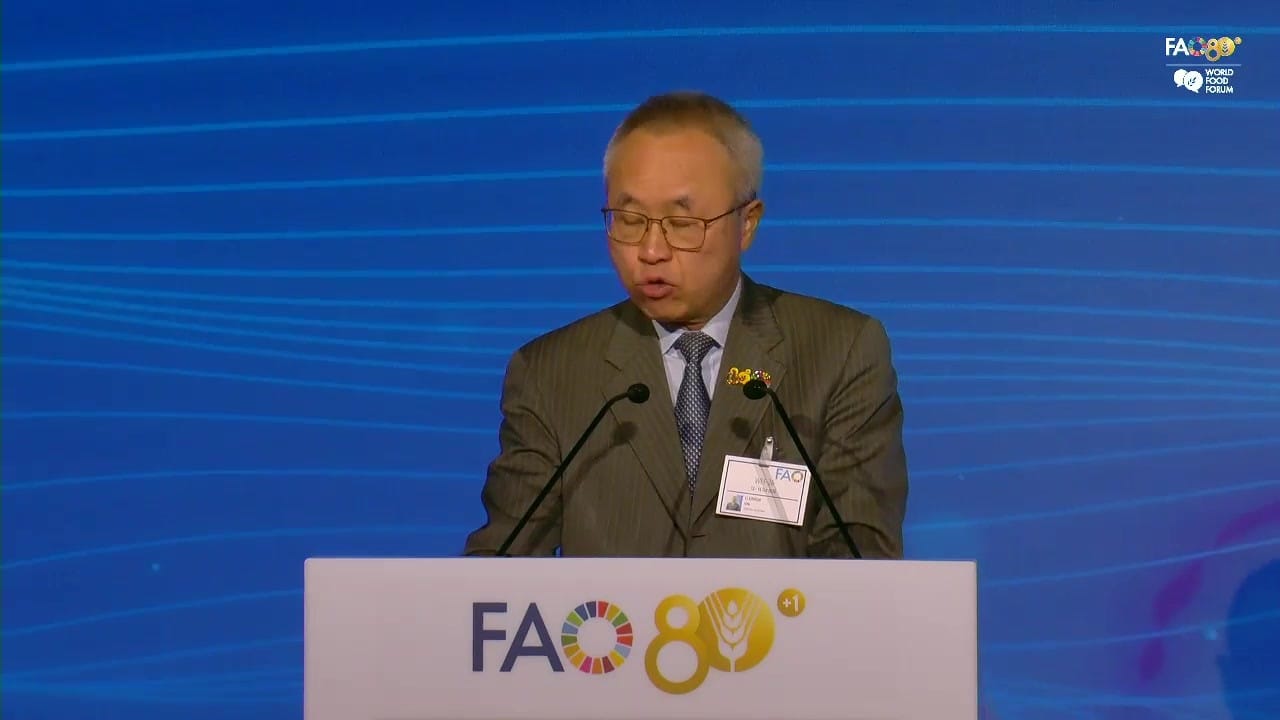
Rome, 14 October 2026. "Scale up, scale up, and scale up." That was the message Retno Marsudi, the UN Secretary-General's Special Envoy on Water and Indonesia's former foreign minister, sent to the high-level session of the FAO Rome Water Dialogue 2026. She spoke by video. In person, the UN official in charge of the next UN Water Conference, Under-Secretary-General Li Junhua, told ministers and agencies in FAO's Plenary Hall that what they agreed in Rome "will directly inform the agenda in Abu Dhabi".
Between them, the two speeches set out the road from Rome to the 2026 UN Water Conference, which the United Arab Emirates and Senegal will co-host in Abu Dhabi in December. They also explain why FAO wants its work on water tenure to arrive there with countries' backing.
Three priorities from UN DESA
Li spoke in two capacities: as head of the UN Department of Economic and Social Affairs, and as the Under-Secretary-General for the 2026 UN Water Conference. With agriculture "accounting for more than 70 percent of the global freshwater withdrawals," he said, "the architecture of the water governance is central to the global food security, climate resilience, and sustainable development." Yet "access to the water remains unequal, and the resource competition is intensifying." Strengthening the responsible governance of water tenure is therefore "a strategic imperative", to keep allocation "equitable, transparent, and sustainable".
He named three priorities:
- Inclusive and accountable water governance. Allocation decisions "must reflect national circumstances, local context, and precise needs of the different water users," which means "protecting the access rights of the smallholder farmers, women, and vulnerable communities." Clear institutional responsibilities, meaningful participation and transparent decisions are "essential to building trust and preventing conflict."
- Integrated approaches across land, water and food systems, built on "reliable data on water availability, utilization, and tenure rights", which governments need "to make evidence-based equitable allocation decisions."
- Turning commitments into action. "Without targeted investment, policy orientation remains just on paper." Countries need financing, technology and capacity to strengthen institutions and modernise irrigation.
Li told the room that FAO, with UNDP and UNCTAD, has supported the preparations for the conference's interactive dialogue on water for prosperity, "reinforcing what we are discussing here today, namely, water tenure is the key to food security." The conference, he said, must accelerate progress on SDG 6 and turn the commitments of the 2023 Water Action Agenda into "tangible dividends". The Global Dialogue on Water Tenure is itself one of those commitments: FAO launched it at the 2023 conference in New York.
"Business as usual simply will not cut it"
Marsudi began by recalling her message to the same Dialogue a year earlier: to transform the way water and agriculture are managed, and to think "beyond the traditional ways of work, beyond the limited resources, and beyond the silos". This year she acknowledged progress. She credited FAO's AQUASTAT and its regular data releases, and noted that the UN-Water SDG 6 synthesis report shows water becoming "more and more mainstream" in intergovernmental processes. The water–food nexus, she said, is gaining recognition at national and local level, and the two sectors "are increasingly supporting and complementing one another, rather than competing".
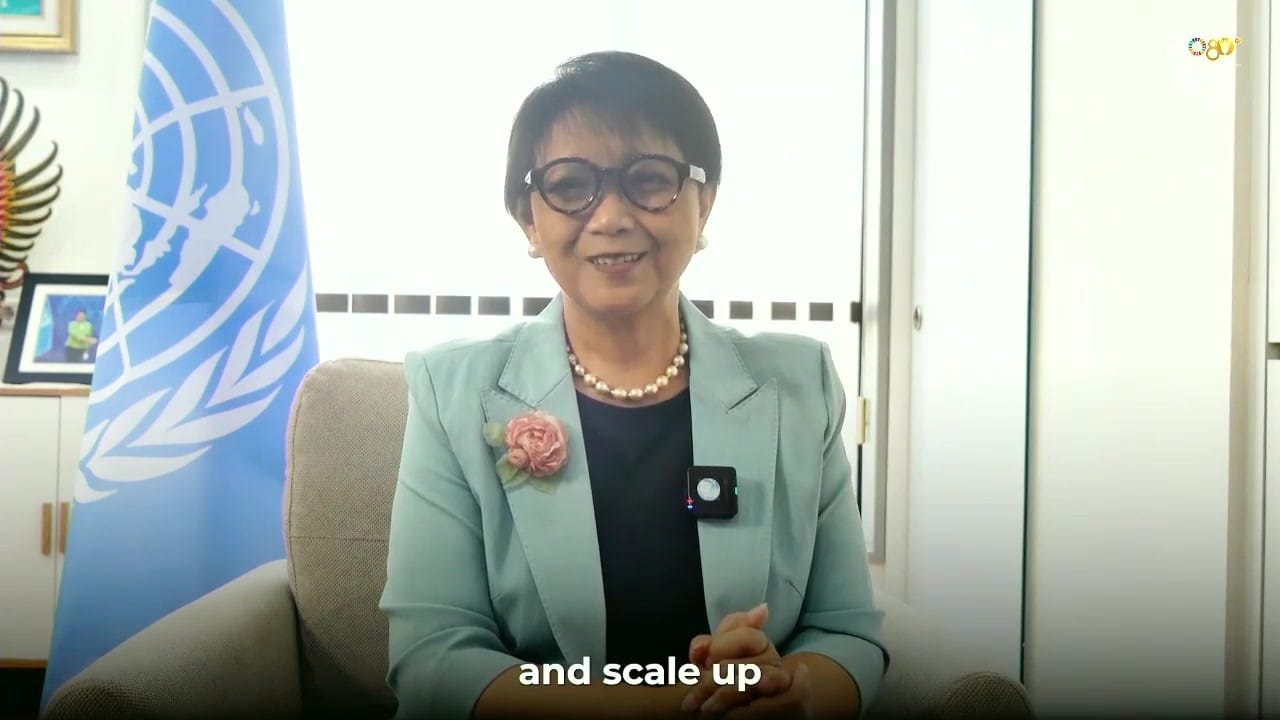
But the same report, she warned, "delivers a sharp reality check. That despite progress made, business as usual simply will not cut it. Doing things the old ways will not allow us to catch up against the rapidly growing challenges in water and food." Her answer: "There is only one way forward: we must scale up. Scale up efforts, scale up solutions and best practices, and scale up cooperation. This is the central message I want to leave with you at this Rome Water Dialogue." With "four years left before we reach 2030," she asked participants to carry the spirit of Rome to Abu Dhabi, where "we can scale up success" in the water–food nexus. Lifeng Li, Director of FAO's Land and Water Division, who chaired the opening, picked up her refrain as the video ended: "Yes, scale up."
What scaling up would take
"Scale up" is a demanding instruction for water tenure, because most water tenure arrangements are local. That morning FAO reported assessments in eight countries and thirteen national and regional dialogues since 2023. Scaling that up means national systems that can record and protect the arrangements those assessments find. Indonesia is one of the eight countries. Its formal permit system sees only part of the country's water users; customary arrangements, community water systems and many smallholder irrigators sit outside it. CRPG Director Mova Al'Afghani, PhD, made that point on Monday's water tenure panel (read our report: Making invisible water users visible). Li's call for "reliable data on ... tenure rights" and Marsudi's call to scale up meet at the same place: recording who actually uses water, before allocating it.
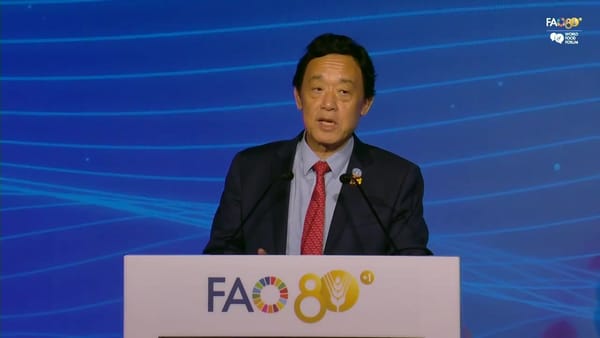
The draft principles that the Dialogue reviewed are covered in our report on Stephen Hodgson's presentation, and governments' responses in our report on the high-level panels. FAO Director-General QU Dongyu's opening remarks are in our report on the opening.
A note on sources. Both speakers spoke in English. Quotations are taken from the session's English audio channel on UN Web TV, transcribed automatically by CRPG with two independent speech-recognition systems (Plaud and Whisper) and compared line by line, and lightly edited for false starts; Marsudi's video carried on-screen subtitles, which were also checked. The UN has not yet published a transcript of this session; when it does, the quotations will be checked against it and any change will be noted at the foot of this article. Images: ©FAO, stills from FAO's webcast of the session on UN Web TV.